The potential, pitfalls, and perils: An intriguing discussion on the future of AI-led by industry experts at Bournemouth University.
‘If you don’t master AI, it will master you’ was the warning from Street Agency founder Kate Street. This was one of the many definitive statements made from professionals who gathered for a BIMA, British Interactive Media Association, conference hosted in Bournemouth University’s modern Fusion building. The event, which took place early on the 10th of July, was hosted to highlight successes and struggles with AI in the digital creative industry. As a student, I watched as professionals filtered through into the conference room where an important debate will take place: What is the future of AI in the creative industry?
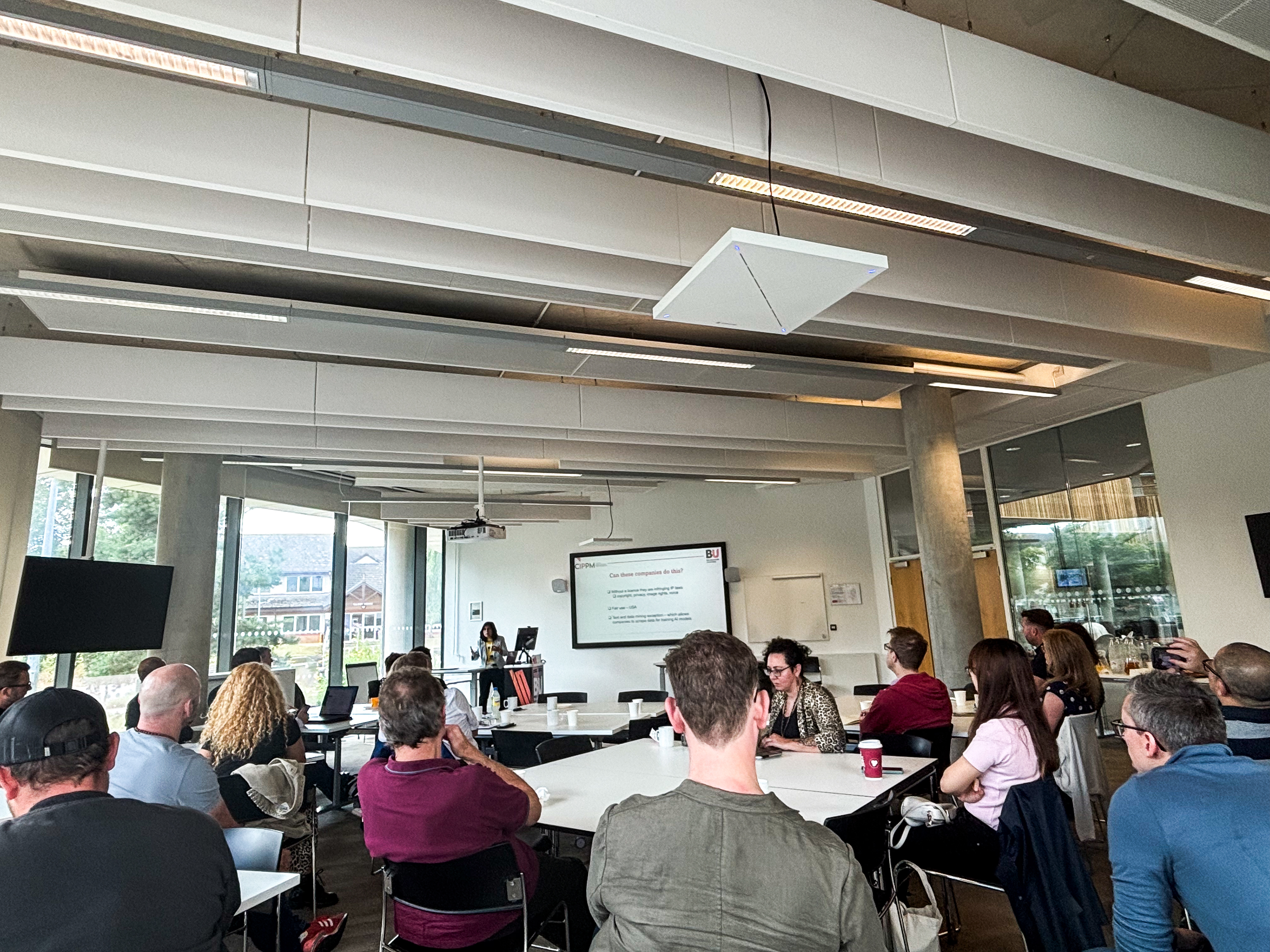
Figure 1: Industry professionals gather at Bournemouth University to discuss AI and its future in the creative industry.
The first speaker was Daryll Sparey who founded Hard Numbers, a PR Agency with ‘Hard Numbers’ at the heart of their promotional approach. The company prides itself on having ‘industry-leading levels of transparency and reporting’ around its media relation programmes. I couldn’t help but wonder how such levels of transparency would work with AI being used within their company. My query was quickly answered as Sparey affirmed that an AI company policy is a necessity and that companies should use paid AI software as client confidentiality would be at risk otherwise. Although appearing cautious, Sparey’s integration of AI has reduced employee workload by 30% by eliminating low-value tasks such as meeting minutes and further has allowed the company to create pitching concept art quickly, all of these new capabilities leaving clientele more satisfied with their results.
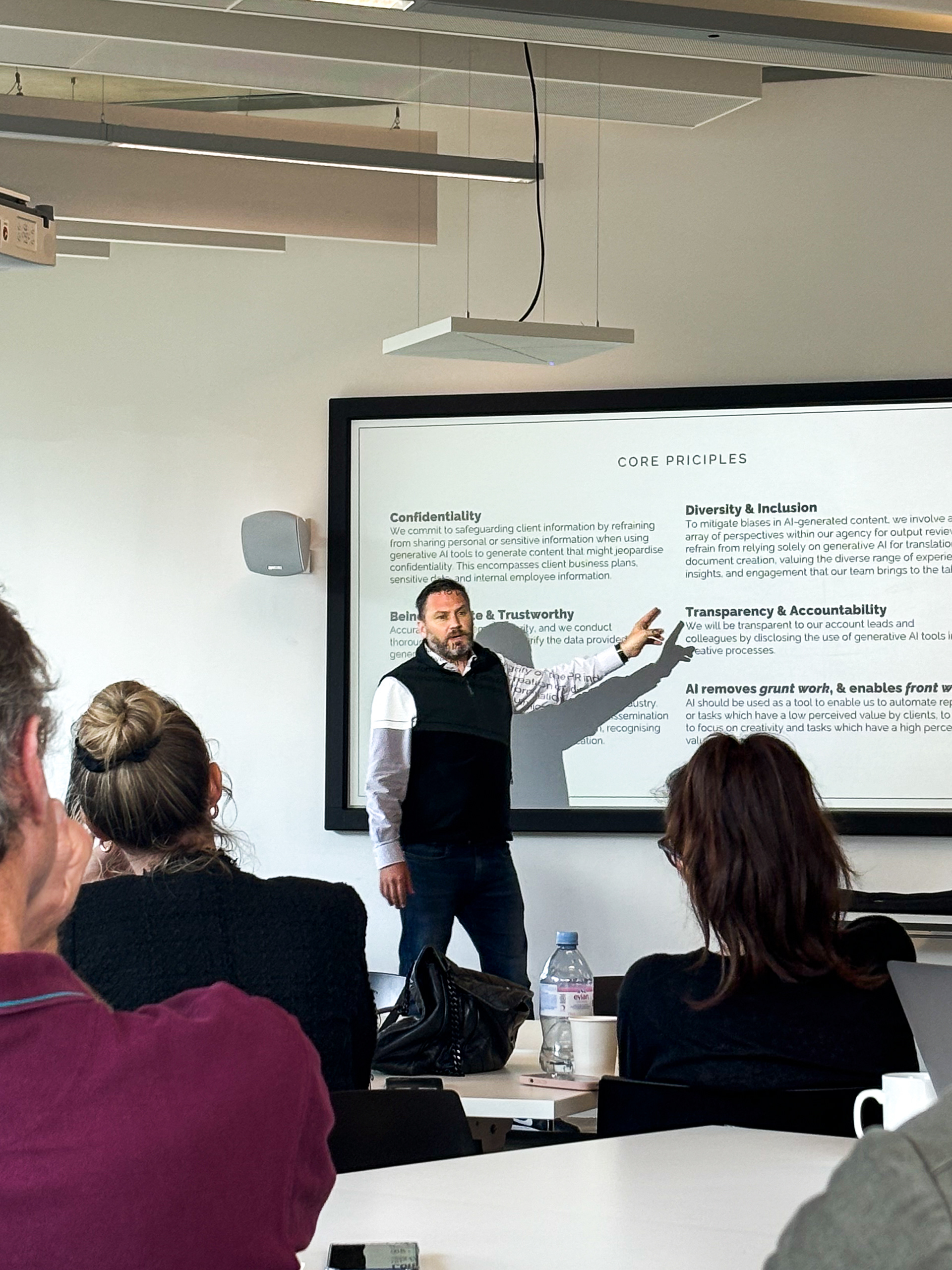
Figure 2: Daryll Sparey, Centre, talks about how he is using AI at his company Hard Numbers
Following a highly informative presentation by Sparey, Kate Street captivated the audience with her compelling blend of charisma and unvarnished honesty. Her catchphrase, "Don't be a twat, GPT," served as a poignant reminder of how to avoid creating content that falls short. Street proceeded to delve into the details, outlining how to identify AI-generated content by discerning features such as initial capitalization of sentences and commas, capitalized hashtags, and excessive use of generic words. She also made her dissatisfaction known regarding the lack of uniqueness in AI-generated images. Despite this, Street also introduced AI programs such as ChatGPT, Jasper, and Otter.ai, all of which have proven instrumental in significantly enhancing productivity within her agency. In her conclusion, Street emphasized that "AI is only as good as what you put in," a sentiment that she certainly evidences in her talk.
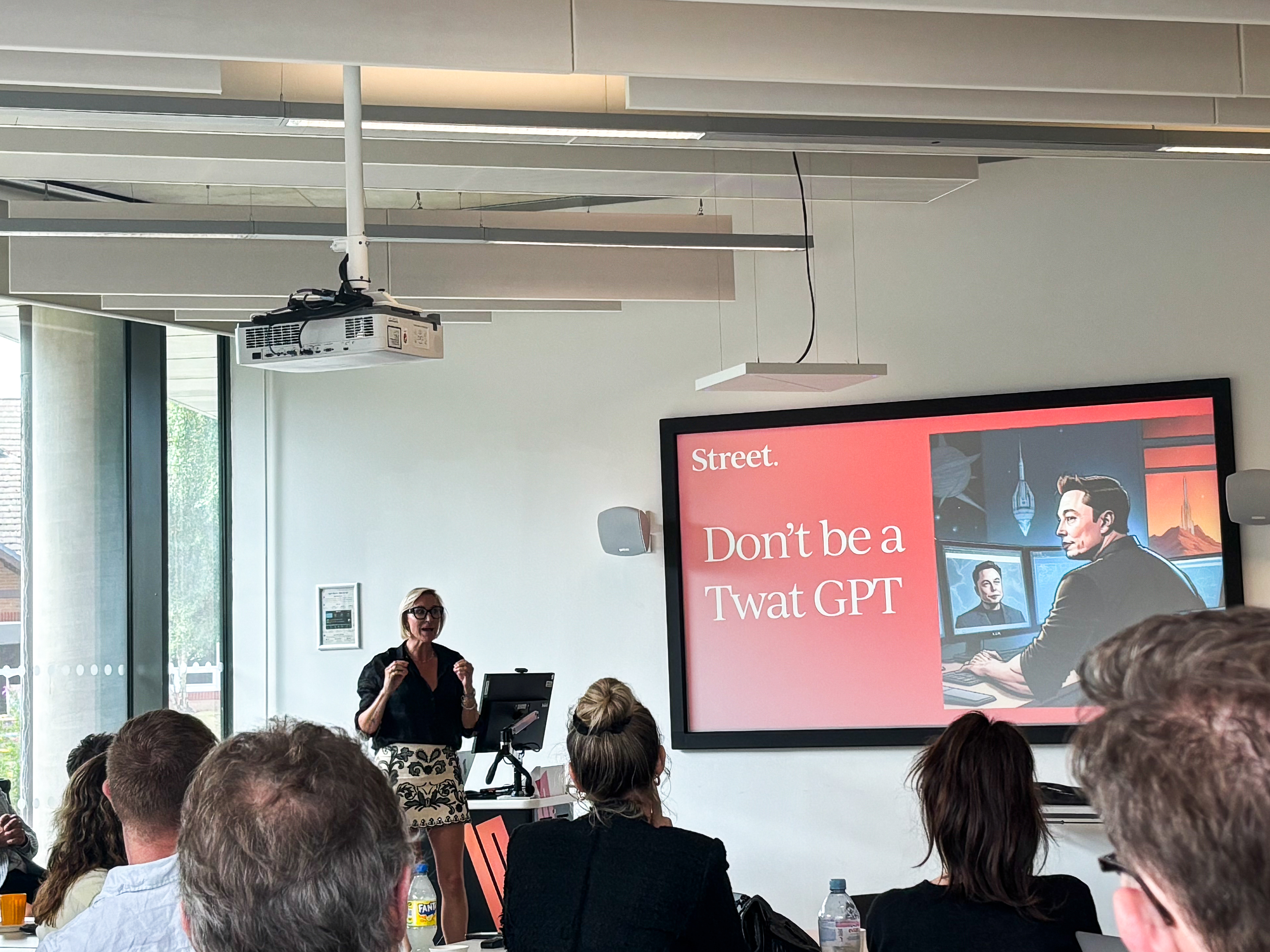
Figure 3: Kate Street, left, discussing AI in her agency Street.
Tom Wittlin, the next speaker, initially hesitated to embrace AI. However, he eventually recognized its potential to enhance his work and shared his transformative journey. During his talk, he showcased his innovative use of AI to create breathtaking scenery, which not only reduced production costs significantly but also elevated the quality and scale of his work. Tom demonstrated his proficiency in using Midjourney and Photoshop to swiftly and effortlessly produce captivating imagery for a luxury brand campaign. Like Sparey from Hard Numbers, Tom also believes that AI has contributed to greater client satisfaction by streamlining production costs and enhancing concept visualization. It was fascinating to gain insights from someone operating within the more creative realms of the media industry, an area where apprehensions and uncertainties about the integration of AI are still vast.
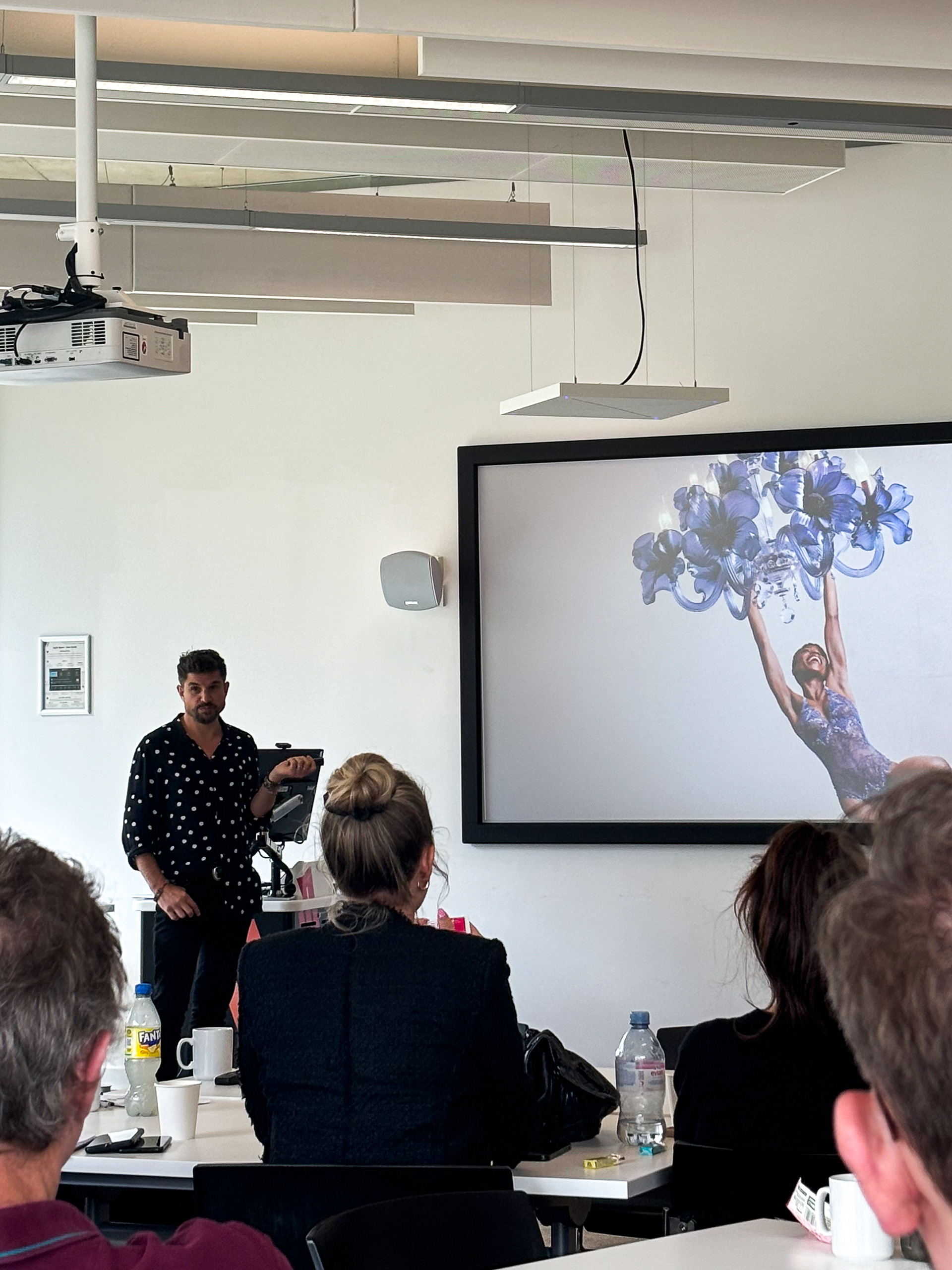
Figure 4: Tom Wittlin, left, highlighting the use of AI in creative direction.
The final industry speaker was that of Invider founder David Burne. Invider is a company slightly different from the others as its focus is on interactive experiences. These experiences they create require vast amounts of coding and rendering to create 3D environments. Due to this, Burne shared some unique insights into how their industry sector is coping with the AI boom. These insights included a decrease in rendering time and an increase in productivity because of this. He further echoed both Sparey’s and Wittlin’s sentiments of easier concept visualisation and how this has made a happier clientele. Unlike the speakers prior, however, Burne proposed a question that is key for his industries sector to navigate: Who owns that image and that voice? It’s a question that academic Dr Dimsha Mendias tried to answer
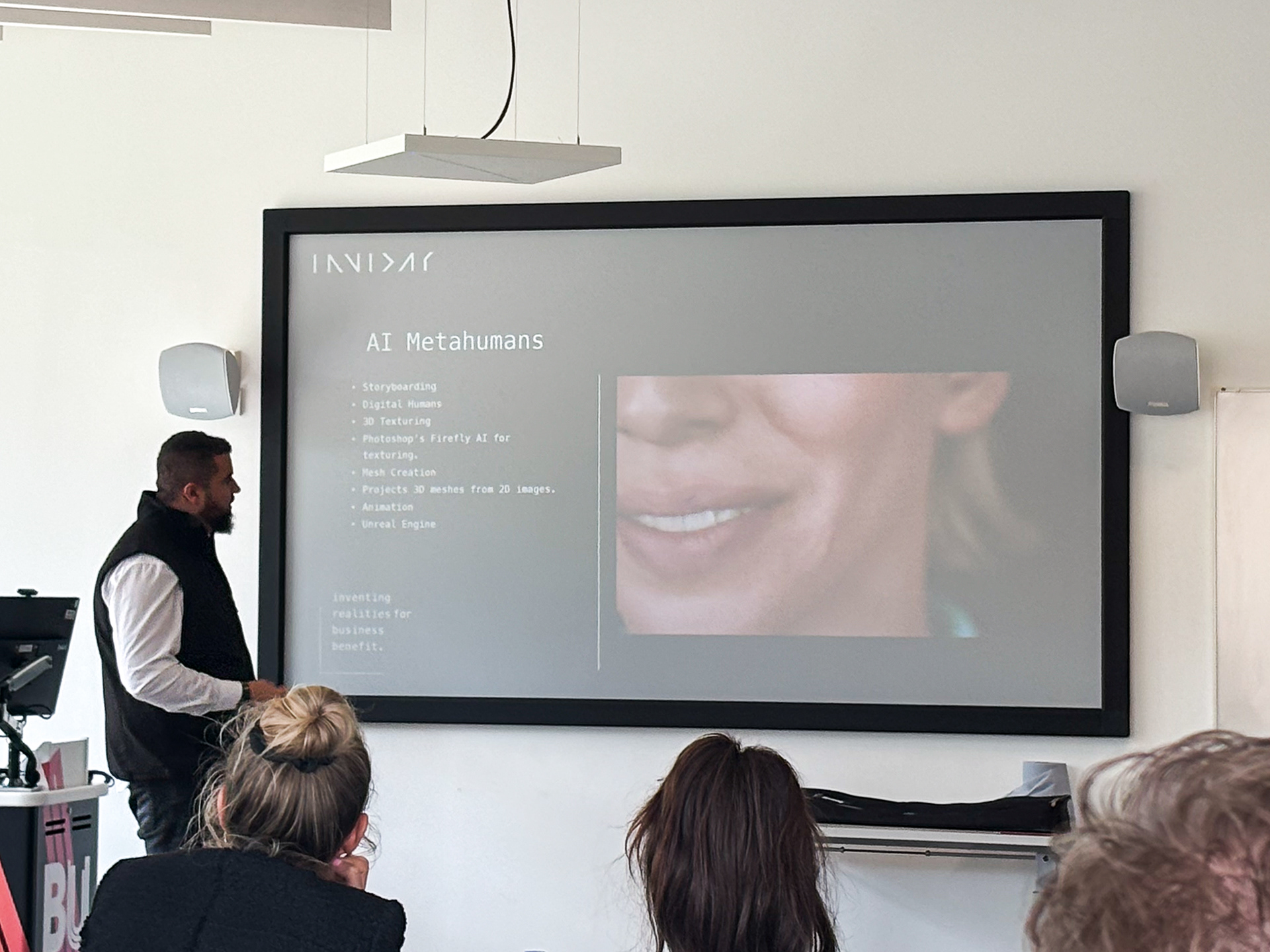
Figure 5: David Burne, left, talks through his interactive media company Invider and how AI is used in his business.
During her speech, Dr Dimsha Mendias discussed several instances where AI was a central point in court cases. One example she mentioned was the OpenAI vs. The Times case, in which OpenAI used content from The Times, including articles, opinion pieces, and analysis, to train its AI. The lawsuit between The Times and OpenAI is ongoing, and although the exact amount hasn't been disclosed, the concern is not just about the monetary value but also about the copyright of the journalists' work. Mendias and other speakers emphasized the ambiguity surrounding ownership in the media industry when it comes to this nascent technology. She also pointed out the lack of clear guidance on AI laws for industry professionals and highlighted the disparity between the EU and UK regulations. Mendias noted that the EU has two articles that define how AI can and should be used according to industry and purpose, while the UK has only one, suggesting that the EU is better regulated in this regard. She concluded, “We, as the UK, are stagnating in AI”.
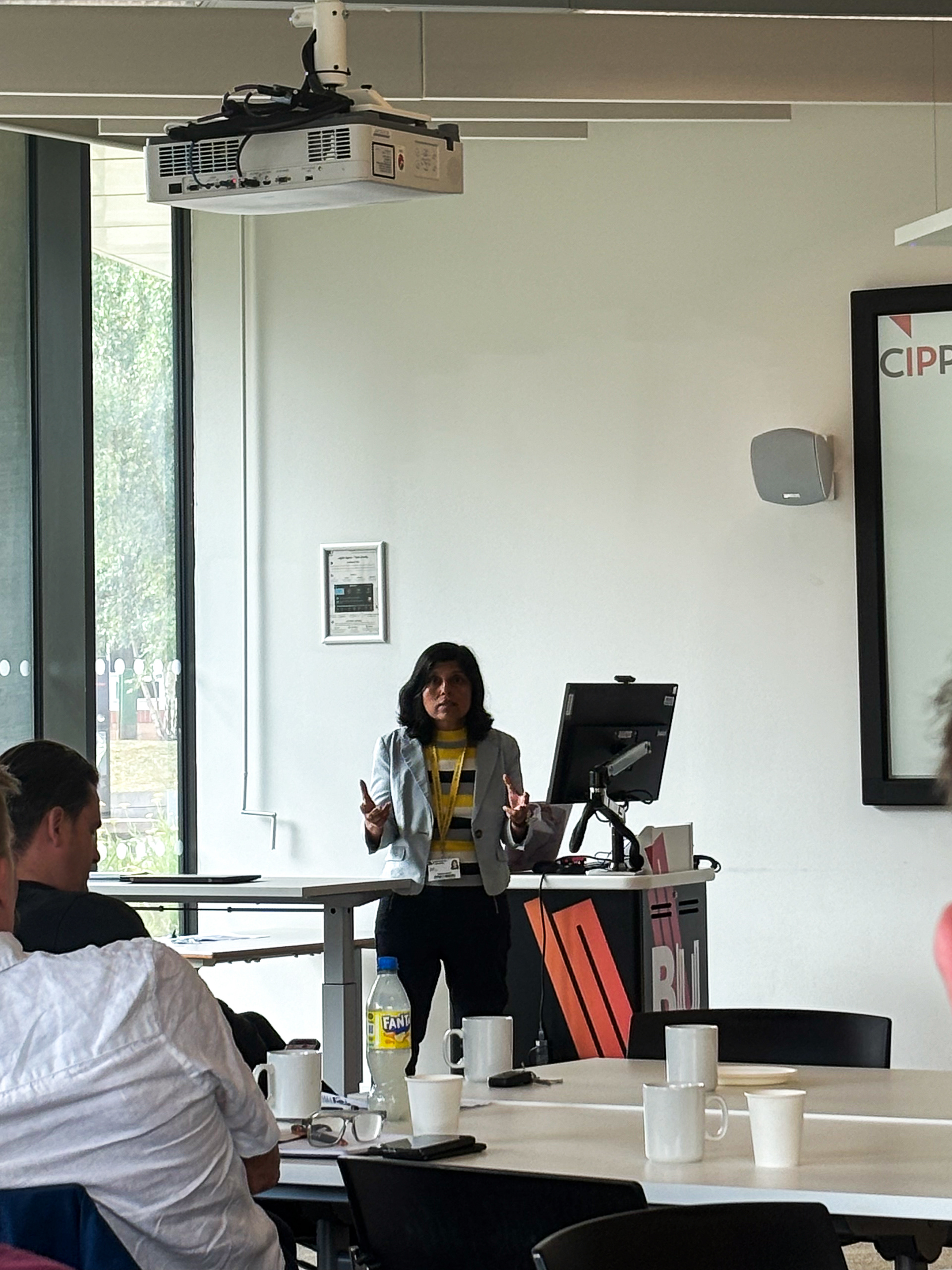
Figure 6: Dr Dimsha Mendias, centre, talks through her research into AI.
Following the presentation of the speakers' experiences and insights, the floor was opened to the audience for discussion. Initially, there was some reluctance to contribute; however, the debate commenced promptly with the first idea being that smaller companies are more likely to adopt AI technology at a faster pace compared to larger corporate counterparts. The group seemed to reach a concurrence that larger companies have to deal with a lot more legal considerations, which can slow down their adoption of AI. It was further remarked that implementing AI in larger companies would require significant technological changes to their existing systems, even after they get the legal green light.
The next major point raised was the exacerbation of the digital divide. Such disparities and subsequent failures can occur for smaller companies that are not tech-savvy. Although these smaller companies can adopt AI technology more quickly, it does not guarantee that they will know how to do so effectively and without infringing copyright laws, which they might not be aware of without legal guidance. Despite being a concerning issue, some audience members believed that this could present an opportunity in the market for their agencies to capitalize on. By utilizing AI, they can offer more affordable services, thus making their offerings accessible to companies that were previously unable to afford them.
The issue of job availability was another concern raised by the audience. A notion around AI freelancers was discussed and somewhat quickly dismissed by the majority of the audience who believed that AI freelancers would have the agility to survive in a market where companies want one straightforward agency to handle several aspects of their marketing and media. Additionally, a more profound concern was that of AI reducing workforces in agencies, alas causing elevated rates of unemployability in the sector. Notably, the audience had little to say on this matter, only the statement of “2/3 will die and 1/3 will survive” being the unanimous agreement whereby audience members cited the rise of the internet and social media as proof.
If I were to summarise this event, I would say informative and, in some ways, excitingly innovative due to the creative mobility that AI has allowed creatives across the media sector. If I were to think deeper, I would say that AI hesitancy is not entirely displaced and overall, the future of creative prowess is rather bleak, especially with the redundancy many of traditional creative practices that make one stand out from the crowd with their expertise in the first place. I came away from this event with more questions than answers. Will the UK catch up legally with this ever-growing nascent technology? Will university students like myself be prepared for the use of AI in the workplace? Are we changing what it means to be creative?
To re-echo the words of Kate Street, ‘If you don’t master AI, it will master you’ so I suggest we in the creative industry get acquainted with AI before we fall behind.